

11-Day Great Migration Safari & Mara River Crossing
11-Day Great Migration Safari & Mara River Crossing is a masterfully crafted expedition designed for one unparalleled purpose: to place you at the most dramatic chapter of the Great Migration
From $7,940.00 Per Person

Tour Available

Tour Start Dates

Season

Accommodation
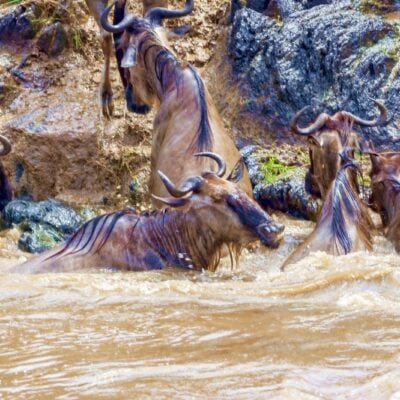
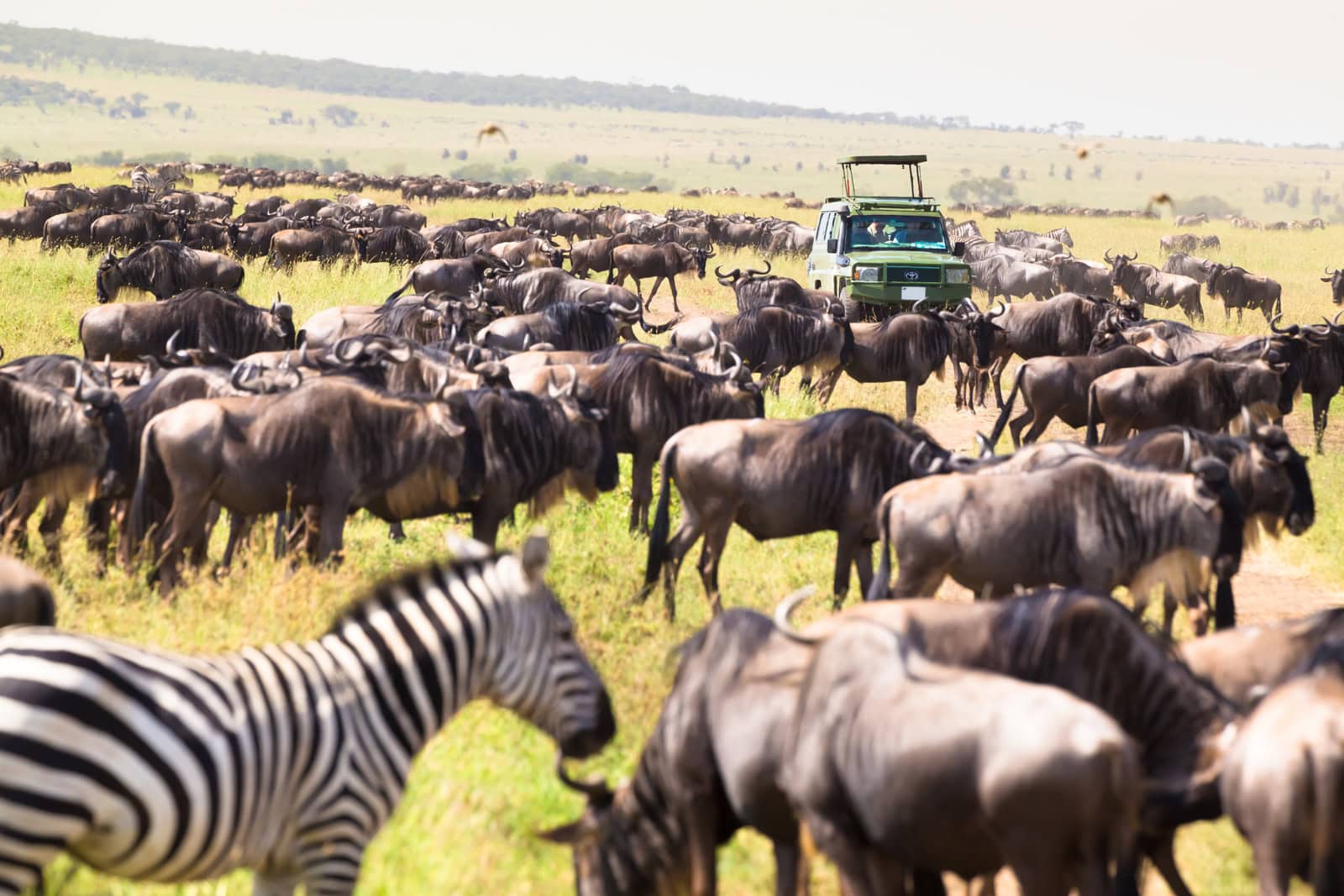
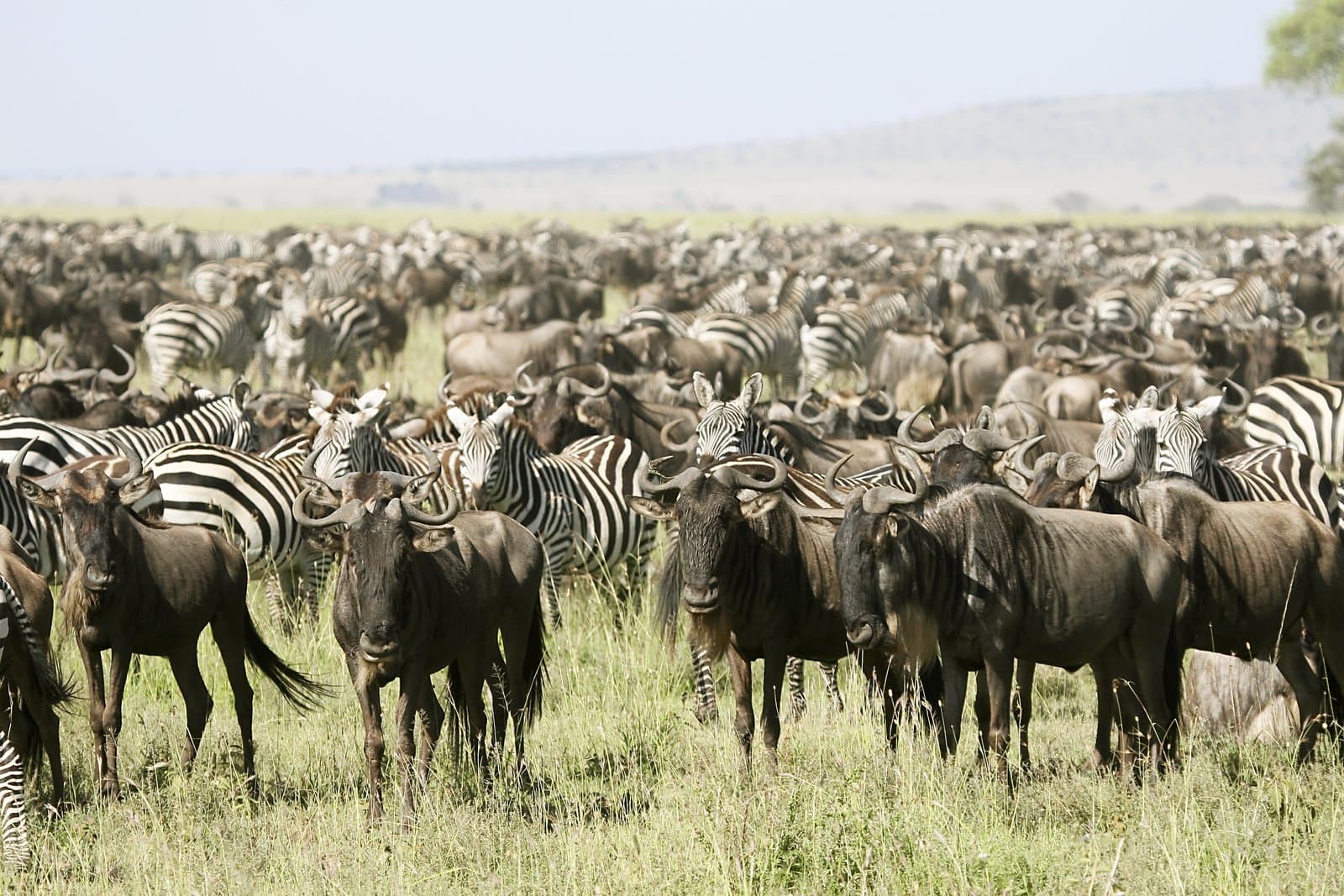
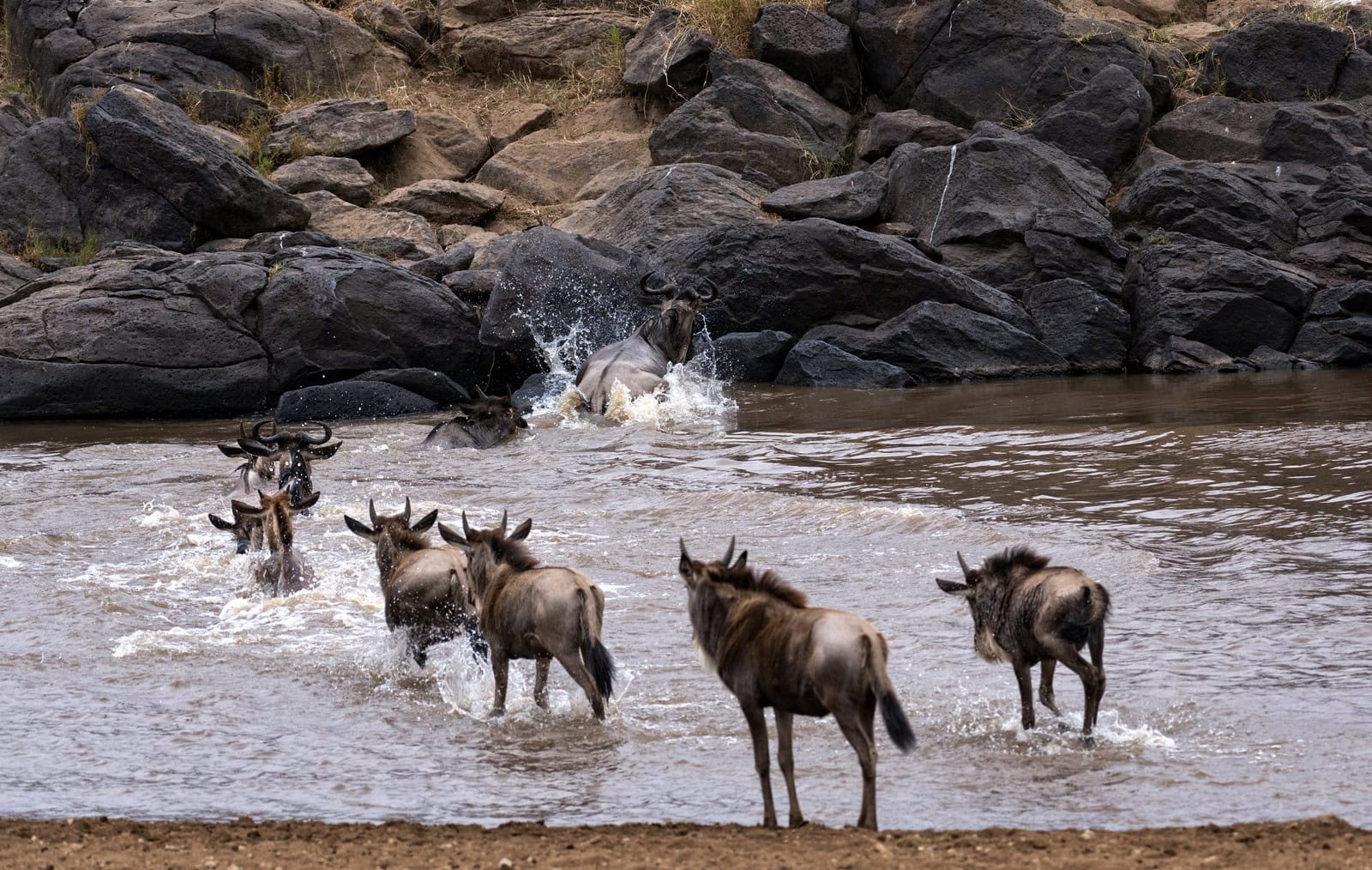
There are moments on the Mara River that stay with people for the rest of their lives. The herd has been gathering on the far bank for hours — tens of thousands of wildebeest pressing forward, retreating, pressing forward again. The crocodiles are still. Then something shifts, and the first animal goes in, and within seconds the river is a wall of sound and bodies and spray. Nothing prepares you for it. No film, no photograph, no description comes close.
This eleven-day safari is built around that moment — and everything that surrounds it. Beginning in Tarangire, moving through the Ngorongoro Crater and the central Serengeti, and arriving in the northern Serengeti with two full days at the Mara River during peak crossing season, this is the most complete Great Migration itinerary JAfrica runs. It ends with a scenic flight from Kogatende back to Arusha — a final view of the plains from above before the wilderness recedes.
For serious wildlife photographers and anyone who has been planning a migration safari for years, this is the one.
The Route
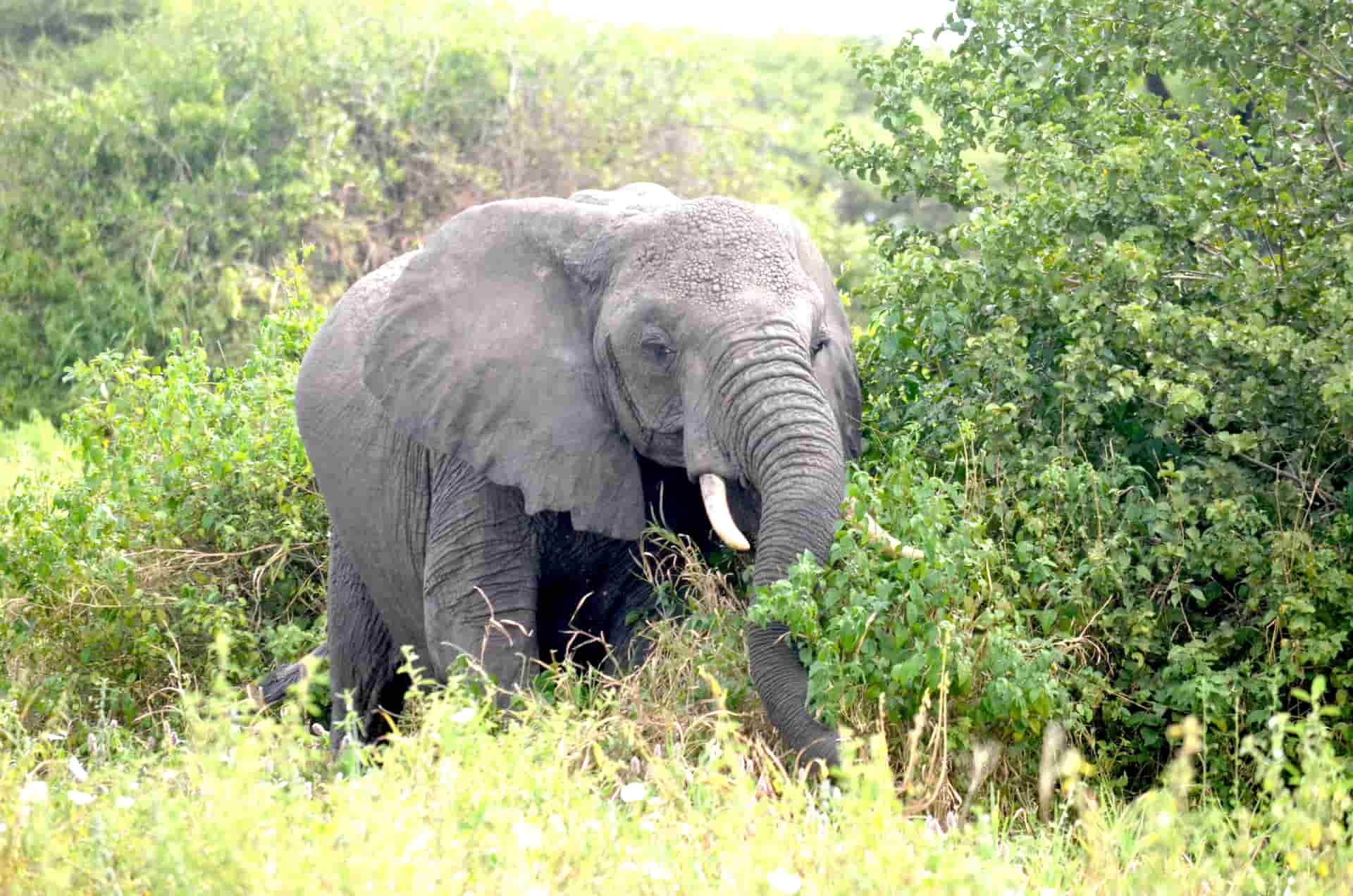
The safari opens in Tarangire — two full days among the largest elephant herds in northern Tanzania, in a landscape of ancient baobabs and dry riverbeds that rewards slow, patient game drives. With over 500 recorded bird species, Tarangire is also one of the finest birding destinations in East Africa.
Day 4 includes a visit to a local primary school and a walking tour through Mto wa Mbu village — a moment of cultural grounding before the wilderness takes over completely. This is something Joshua builds into longer itineraries deliberately. Understanding the people who live alongside this ecosystem changes how you see everything that follows.
Two days at the Ngorongoro Crater follow — arriving in the late afternoon of Day 4, with a full crater day on Day 5. The Ngorongoro caldera was formed over 2.5 million years ago when a vast volcano collapsed inward. What remains is a self-contained world of extraordinary wildlife density — lions, elephants, hippos, flamingos, and the critically endangered black rhinoceros. A full day on the crater floor, breakfast taken among the animals, lunch when the appetite calls.
Days 6 and 7 move into the central Serengeti — the Seronera region, known for the highest concentration of big cats in the park. Kopje country, where lions and leopards use the ancient rock formations for shade and for watching. Two days here rarely feel like enough.
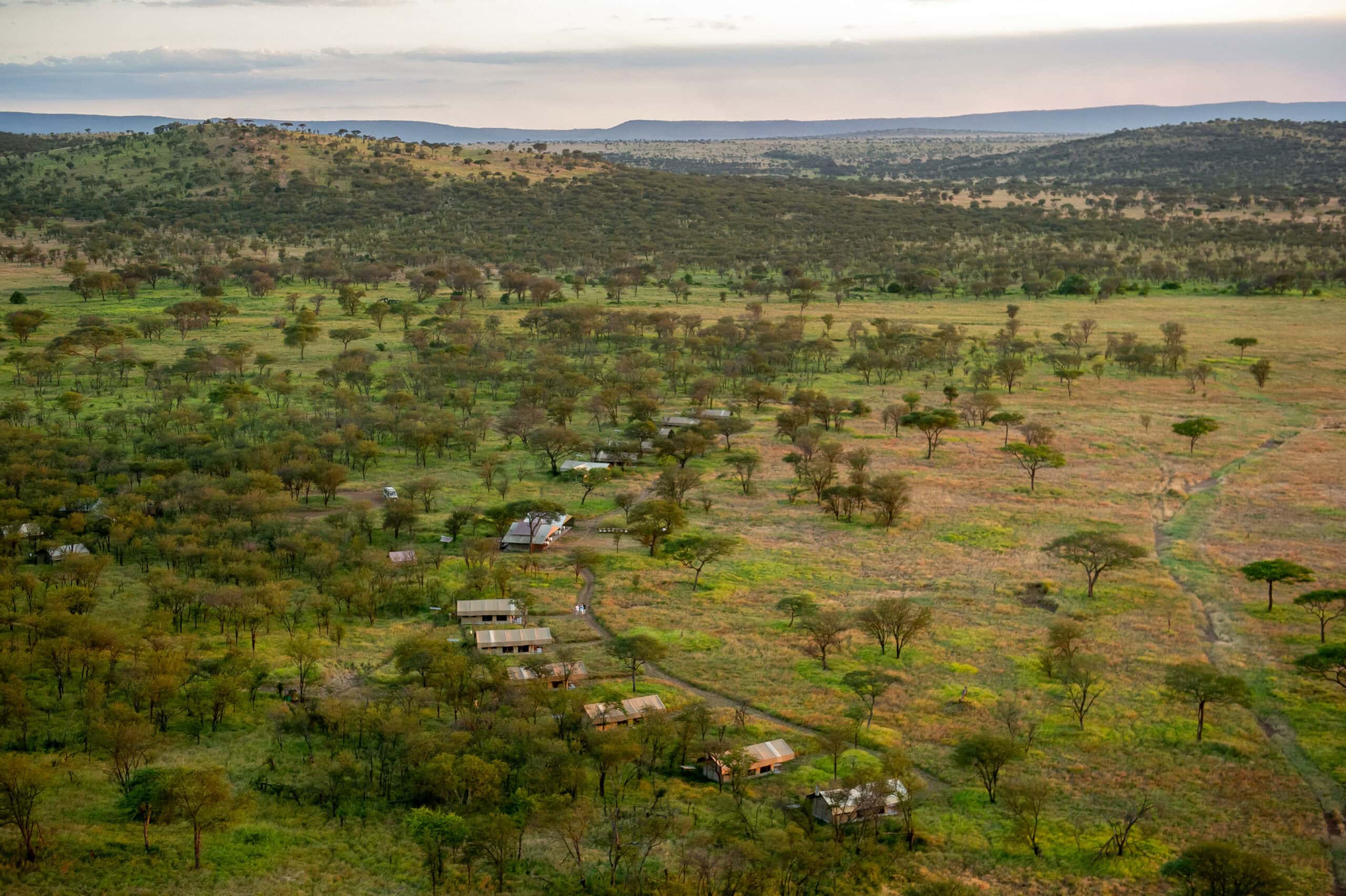
Day 8 is the drive north — through the most remote stretches of the Serengeti, a game drive in itself as the landscape shifts and the anticipation builds. By the time you reach Mara Mara Tented Lodge, the migration herds are close.
Days 9 and 10 are the Mara River. Two full days, packed lunches, no time pressure. Joshua will position you at the crossings and read the herd movements to give you the best possible chance of being there when it happens. Beyond the migration, the northern ecosystem holds lions, leopards, cheetahs, caracal, serval, and an extraordinary abundance of raptors — Martial eagles, Verraux eagles, dark and pale chanting goshawks.
Day 11 ends with a scenic flight from Kogatende airstrip back to Arusha. The plains look different from the air. Bigger. Quieter. Worth the window seat.
What Makes This Different
The Mara crossing is on every operator’s itinerary. What varies is how much time you spend at the river, how well your guide reads the herds, and whether you are positioned correctly when it happens.
Joshua Monah has guided the northern Serengeti for decades. His knowledge of the migration’s rhythms — when herds are building, which crossing points are active, when to stay and when to move — is the product of a lifetime spent in this ecosystem, not a season’s training. For photographers especially, that knowledge is the difference between a crossing shot and a missed one.
Two full days at the Mara, rather than the single day many operators offer, gives that patience its best chance of paying off. The crossing waits for no one. Having time on your side is everything.
What’s Included
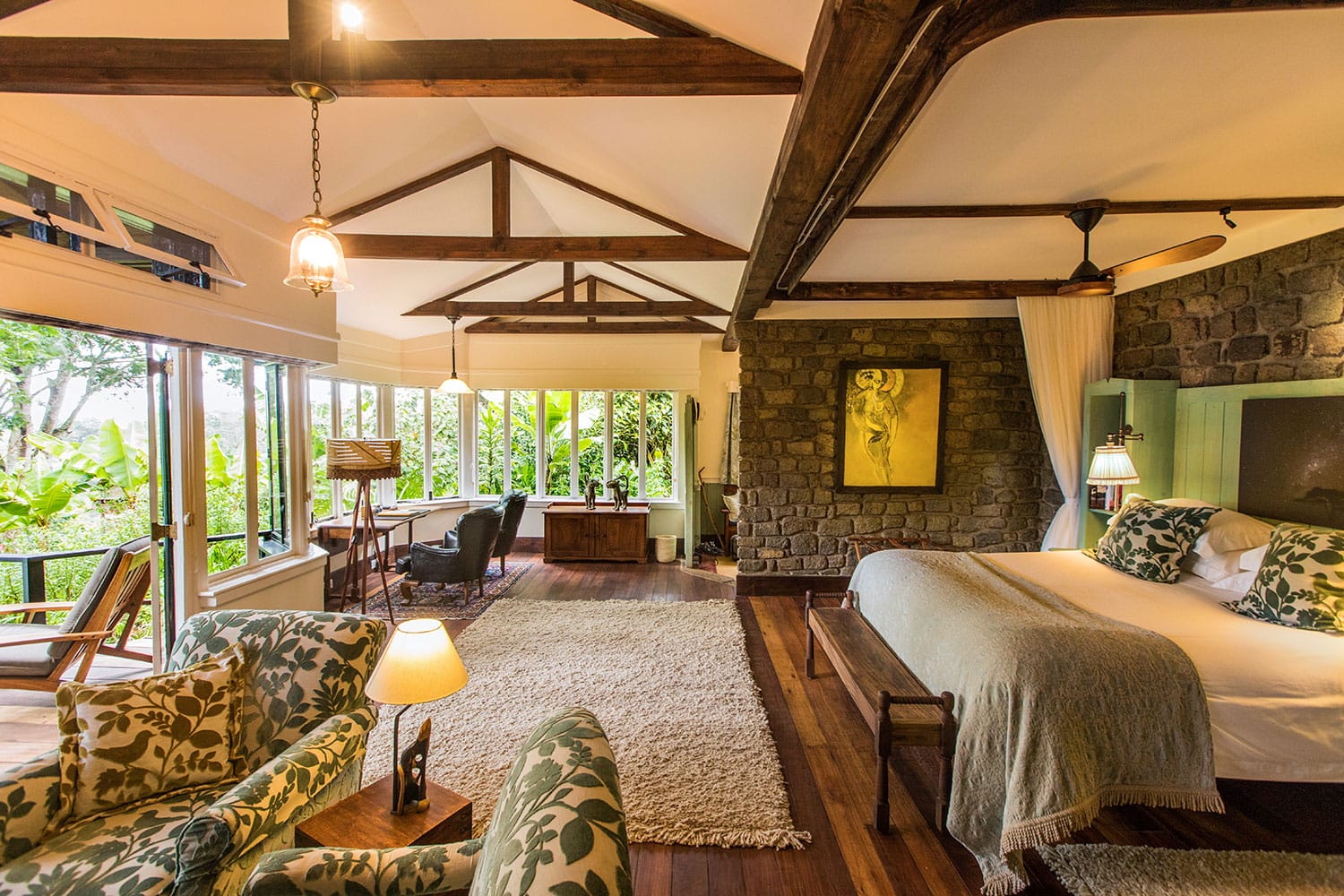
- Ten nights accommodation — Kahawa House Arusha (Day 1), Tarangire Safari Lodge (Days 2–3), Ang’ata Tented Camp (Days 4–5, Ngorongoro), Awali Tented Camp (Days 6–7, Central Serengeti), Mara Mara Tented Lodge (Days 9–10, Northern Serengeti)
- Dinner and breakfast on Day 1, all meals included from Day 2 through to departure on Day 11
- Unlimited drinking water, soft drinks, and local beer in the safari vehicle
- Domestic flight from Kogatende Airstrip to Arusha on Day 11
- Private 4×4 Land Cruiser with roof hatch throughout
- All national park entry fees and Ngorongoro Crater service fee
- Field guidebooks, maps, and binoculars
- AMREF Flying Doctors emergency evacuation cover
- Airport and lodge transfers throughout
- Expert Maasai guiding throughout
Not Included
- International flights and Tanzania visa fees
- Personal travel and baggage insurance
- Tips for your guide and lodge staff
- Personal purchases and premium beverages outside the vehicle
- Bank transfer fees
This Safari Is Right For You If
You want the Mara River crossing and you want to do it properly — with enough time at the river to wait for it rather than hoping it happens on the one afternoon you are there. You are travelling as a wildlife photographer or a serious safari enthusiast who understands that the northern Serengeti in crossing season requires patience and positioning. You want eleven days that cover the full northern circuit without rushing any of it. And you want a guide who has spent a lifetime in this ecosystem rather than one who learned it last season.
The Mara River crossing is the most dramatic wildlife event on earth. This itinerary gives you the best possible chance of being there when it happens.
Ready to start planning? Contact Joshua directly — he will build your dates around the crossing season and your travel window.
Package Cost Per Person (USD)
- 2 people travelling — $9,320 per person
- 4 people travelling — $8,260 per person
- 6 people travelling — $7,940 per person
Not sure which group size applies to you? Get in touch — Joshua will work out the best option for your group.
Day 1: Arrival at Kilimanjaro International Airport
After arriving at Kilimanjaro International Airport and completing immigration formalities, meet Joshua or one of his guides at the arrivals lounge. A one-hour drive brings you to Kahawa House in Arusha — a comfortable base for the night before the wilderness begins.
Dinner and overnight — Kahawa House. (Dinner and breakfast included.)
Day 2: Arusha to Tarangire National Park
After breakfast, depart with a packed lunch for Tarangire — a drive of around two to two and a half hours. At the main gate your guide handles the park fees while you stretch your legs and take in your first views of the landscape. Tarangire covers 2,600 square kilometres and holds the highest elephant density of any park on the northern circuit. The afternoon game drive introduces you to the scale of what is ahead.
Dinner and overnight — Tarangire Safari Lodge. (All meals included, unlimited drinking water in the vehicle.)
Day 3: Tarangire
A full day in Tarangire. The bird and elephant populations here are exceptional — over 500 recorded species make this one of the great birding destinations in East Africa, and the elephant herds move through the baobab landscape in numbers that are difficult to comprehend until you see them. The option of a full-day packed lunch allows you to stay out in the park rather than returning to camp at midday — worth considering if the morning drives are productive.
Dinner and overnight — Tarangire Safari Lodge. (All meals included, unlimited drinking water in the vehicle.)
Day 4: Tarangire to Ngorongoro — via Mto wa Mbu
A final morning game drive in Tarangire before the route changes character entirely. A visit to a local primary school, then a guided walk or cycle through Mto wa Mbu village — a chance to observe irrigation farming and experience Tanzanian daily life at ground level before the wilderness takes over again. Lunch in the village, then the drive up into the cool highlands of the Ngorongoro Conservation Area by afternoon.
Dinner and overnight — Ang’ata Tented Camp. (All meals included, unlimited drinking water in the vehicle.)
Day 5: Ngorongoro Crater
An early start with a packed breakfast for a full day inside the Ngorongoro Crater. The caldera was formed over 2.5 million years ago when a vast volcano collapsed inward — what remains is a self-contained ecosystem of extraordinary wildlife density. Lions, elephants, hippos, flamingos, and the critically endangered black rhinoceros all live within the crater walls. A full day on the floor, breakfast taken among the animals when the appetite calls, lunch at the lodge. In the dry season rhino sightings require patience — they range more widely when pasture is short — but Joshua knows the crater and knows where to look.
Dinner and overnight — Ang’ata Tented Camp. (All meals included, unlimited drinking water in the vehicle.)
Days 6 and 7: Central Serengeti — Moru, Seronera and East Serengeti
Two full days in the central Serengeti, based in the Seronera region — one of the finest areas in the park for big cat sightings. The kopjes (ancient rock outcroppings) provide essential habitat for lions and leopards, who use the formations for shade, for denning, and for watching the plains below. The central Serengeti sits in a transitional zone that holds permanent water year-round, sustaining a resident wildlife population that doesn’t migrate. Lunch at camp, then back out for the late afternoon drive when the light drops and the predators become active.
Dinner and overnight — Awali Tented Camp. (All meals included, unlimited drinking water in the vehicle.)
Day 8: Central Serengeti to Northern Serengeti
The drive north through the most remote stretches of the park — a game drive in itself as the terrain shifts and the landscape opens out. Rock outcroppings give way to the long grass and riverine forest of the north. Birds of prey are exceptional in this corridor — Martial eagles, Verraux eagles, dark and pale chanting goshawks, Verraux eagle owls. By the time you reach Mara Mara Tented Lodge the migration herds are close. Lunch in the bush on the way north.
Dinner and overnight — Mara Mara Tented Lodge. (All meals included, unlimited drinking water in the vehicle.)
Days 9 and 10: Northern Serengeti — The Mara River
Two full days at the Mara River. Packed lunches, no time pressure, complete flexibility to position and wait. The crossings require patience — herds can gather on the far bank for hours before the first animal commits to the water — and having two full days rather than one afternoon is what makes the difference between witnessing a crossing and missing it. Joshua will read the herd movements and position you correctly. Beyond the migration, the northern ecosystem holds lions, leopards, cheetahs, and smaller cats including caracal, African wildcats, and serval — most active in the early morning and evening light.
Dinner and overnight — Mara Mara Tented Lodge. (All meals included, unlimited drinking water in the vehicle.)
Day 11: Northern Serengeti — Departure
A final morning game drive before transferring to Kogatende Airstrip for your scenic flight back to Arusha. The plains look different from the air — bigger, quieter, and somehow even more extraordinary. A connecting transfer in Arusha brings you to Kilimanjaro International Airport for your flight home.
THIS SAFARI PACKAGE INCLUDES:
- Transportation in a safari-specific vehicle
- A professional English speaking driver/guide
- Park entry fees and conservancy fees where applicable
- Unlimited drinking water the entire trip
- Meals and accommodations as per the itinerary
- In-country travel and flights where applicable
- Unlimited mileage
- Binoculars in every vehicle
- Guide books and maps in every vehicle
THIS SAFARI PACKAGE DOES NOT INCLUDE:
- International flights/visa fees/personal travel expenses/baggage insurance
- Drinks (other than drinking water in vehicle)
- Tips for the driver guide and any porters at the lodges
- Unexpected increases in National Park/lodge fees by the relevant authorities
- Bank fee/charges in sending your money to Tanzania and getting USD cash out in Tanzania
Please read our Responsible Travel Policy
“On your safari we will focus on both big and small mammals, birds and insects, not only the big five. For the Ecosystem to thrive each creature plays an integral part on maintaining its genuinty. Our guides will be sharing information on how the different creatures play their part in maintaining the natural ecosystems. ” Joshua Monah
Why Does the Price Change With Group Size?
It’s a fair question, and the answer is straightforward once you understand how safari pricing works.
Every safari has two types of cost. The first are fixed costs — your guide, the safari vehicle, fuel, and food. These stay the same whether there is one person in the vehicle or six. The second are variable costs — accommodation and park fees, which are charged per person.
When we calculate your price, we divide the fixed costs equally among everyone in the group, then add the per-person costs on top. The more people sharing the vehicle, the smaller each person’s share of those fixed costs — which is why a solo traveller pays more per person than a group of four or six.
Think of it like sharing a taxi. The fare is the same whether one person gets in or four — but split four ways, it costs each person far less.
If you are travelling as a couple or a small group and the price feels high, it is worth getting in touch. Depending on your group size and travel dates, we can often negotiate better lodge rates and find ways to make the numbers work.
Travelling with children? Child pricing varies depending on age and group size — contact Joshua directly and he will work out the best option for your family.
Any questions at all about pricing or how your safari is put together — get in touch. There are no silly questions when you are planning a trip like this.

 I met Joshua in 2011 on my first safari in Tanzania. He was my guide. Thanks to his knowledge, kindness and enthusiasm I was hook on Africa. He is very... read more

01/02/2018
Based upon a recommendation from two sets of dear friends who have both traveled with Joshua Monah, we hired Joash Africa Wilderness Insight Limited ("JAfrica") for our Serengeti safari and... read more
15/08/2021
I met Joshua in 2011 on my first safari in Tanzania. He was my guide. Thanks to his knowledge, kindness and enthusiasm I was hook on Africa. He is very... read more
01/01/2019

You might also be interested in
-

5 DAY SAFARI TOUR TO AFRICA – SERENGETI AUTHENTICITY
From $2,790.00 Per Person -
9 DAY SERENGETI SAFARI & ZANZIBAR BEACH EXCURSION – HONEYMOON SAFARI
$4,650.00 Per Person -
8 DAY SAFARI TOUR TO TANZANIA – CAPTIVATING WILDERNESS
From $3,870.00 Per Person -
7 DAY GREAT MIGRATION AFRICAN SAFARI – GREEN SEASON
From $3,780.00 Per Person